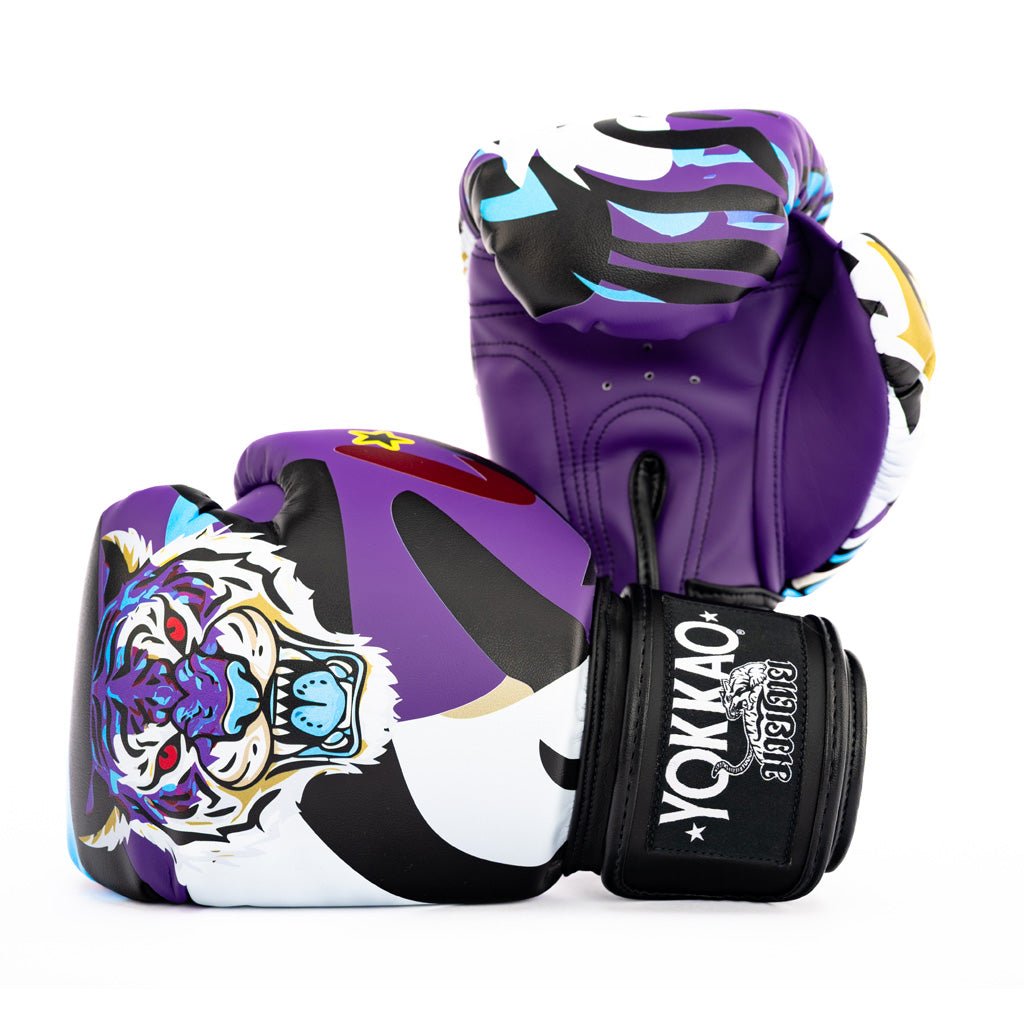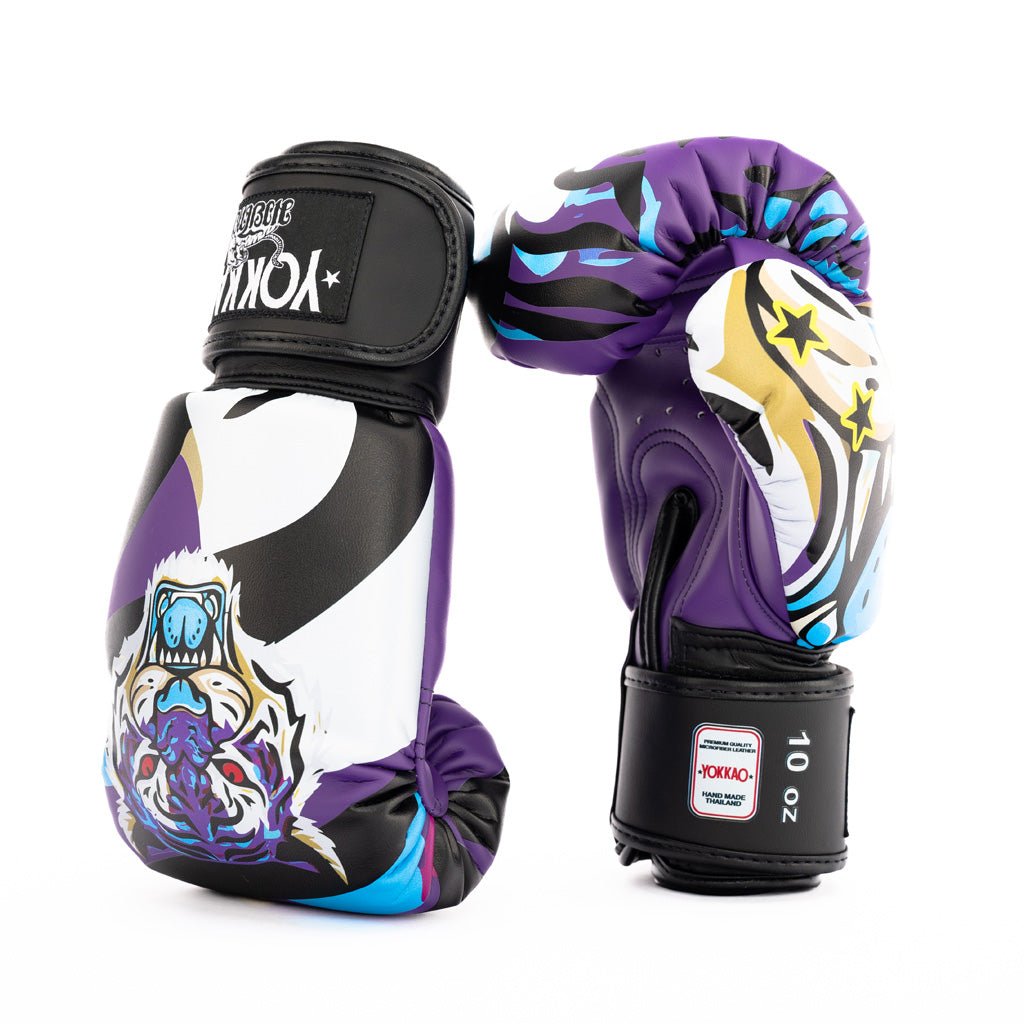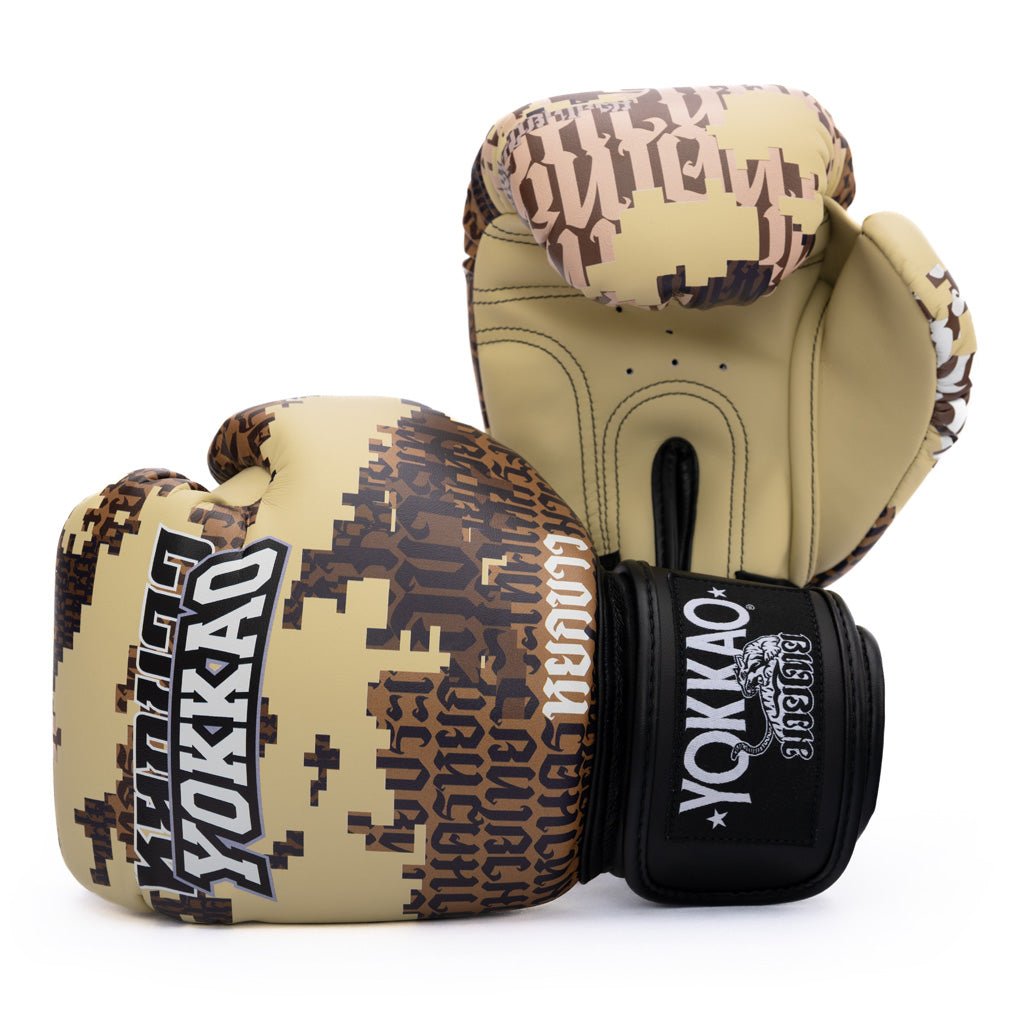








Leather Boxing Gloves Care: How to Clean and Maintain Them
Table of contents

A good pair of leather boxing gloves is built to take a beating. But the leather itself still needs looking after. Sweat, moisture, and heat break down natural hide faster than most boxers realize, and a glove that starts to crack or stiffen never quite performs the same again.
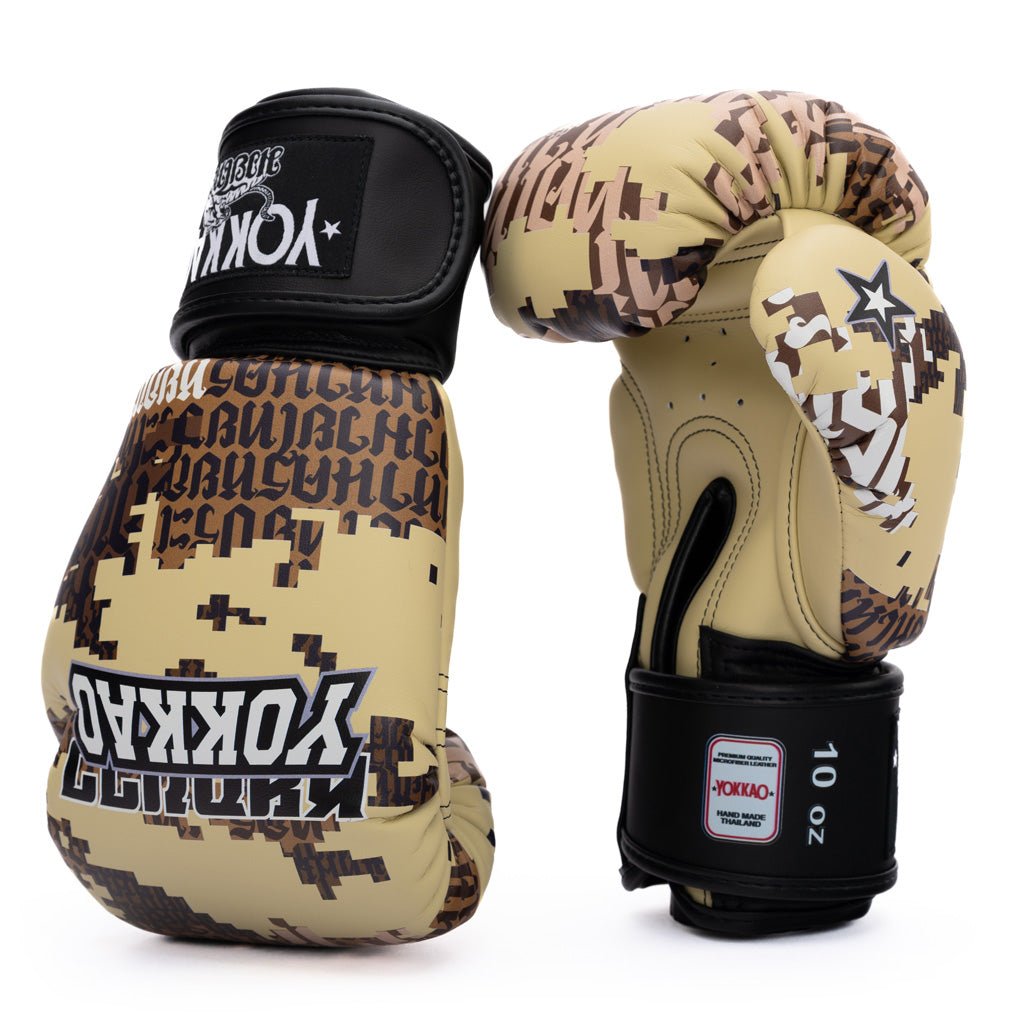
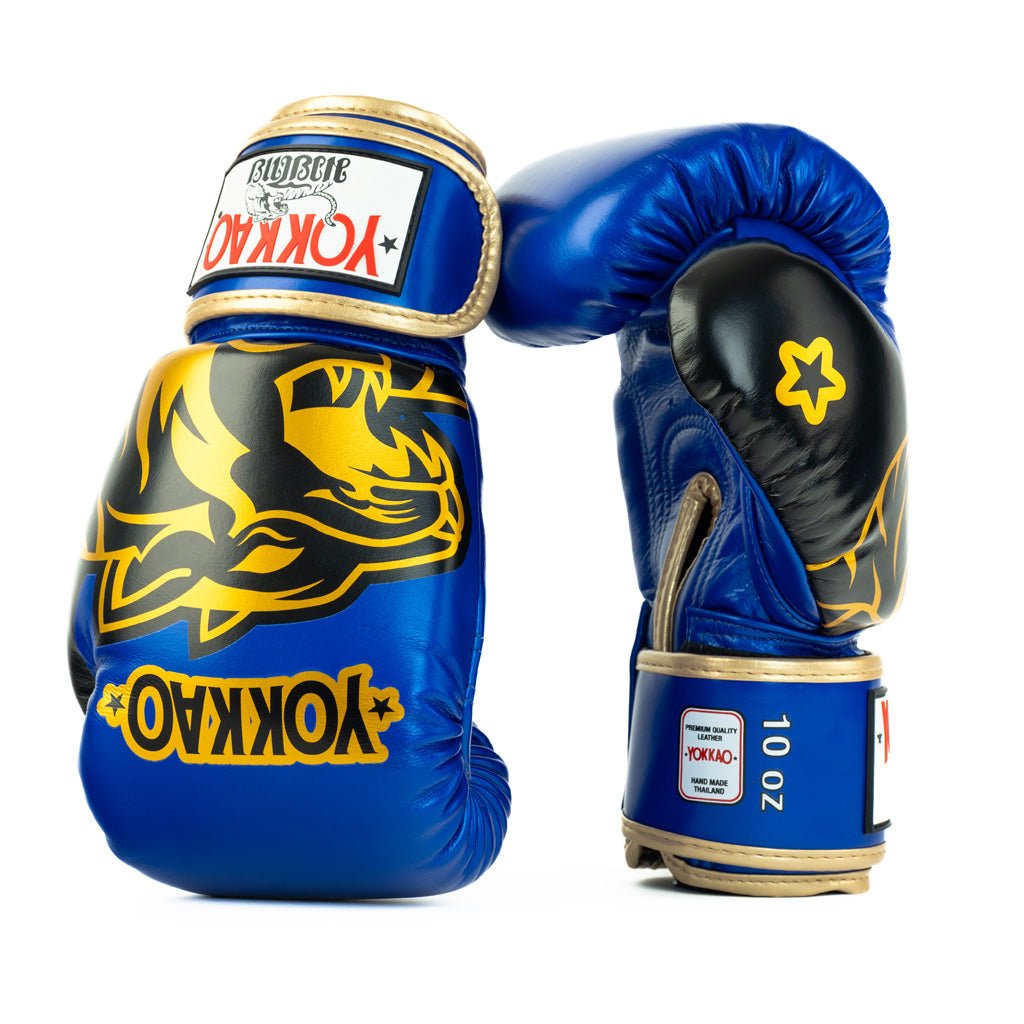
If you've invested in handmade leather boxing gloves, a few minutes of care after each session is what separates gloves that last for years from gloves that fall apart after one hard training block. Here's exactly how to clean, dry, condition, and store leather boxing gloves so they stay in fighting shape.
Why Leather Needs Different Care Than Synthetic
Leather and synthetic microfiber aren't maintained the same way, and treating them identically is one of the fastest ways to ruin a good pair of gloves.
Synthetic gloves are more forgiving. They can handle a damp wipe or even a light rinse without much consequence. Genuine leather is a natural material, and it reacts to moisture and heat very differently. Soak it and it can stiffen or warp. Dry it too fast near a heater or in direct sun and it cracks. Leave it damp inside a closed gym bag and it grows bacteria and starts to break down from the inside.
That sensitivity is also part of why leather gloves feel and perform the way they do. The same qualities that make cowhide leather durable and give it that break-in feel practitioners look for are the qualities that need protecting. Care isn't optional maintenance here. It's part of what keeps the leather doing its job.
What You'll Need
Most of this comes down to a handful of basic supplies you probably already have.
- A dry microfiber cloth
- A slightly damp cloth for wiping down leather
- Mild soap or saddle soap (avoid anything with alcohol or bleach)
- A leather conditioner made for genuine hide
- A glove deodorizer or a small pouch of baking soda
- A mesh bag or open gear bag for transport
Skip anything marketed as an all-purpose cleaner or disinfectant spray unless it specifically says it's safe for leather. Harsh chemicals strip the natural oils out of the hide, which is exactly what accelerates cracking.
Clean After Every Session
This is the step that matters most, and it only takes a minute or two.
As soon as you're done training, take your gloves off and let them breathe. Don't leave them zipped inside your gym bag on the drive home. If you can, carry them in a mesh bag or just leave the bag open so air can move.
Once you're home, wipe down both the exterior and interior with a dry microfiber cloth. This pulls out surface sweat before it has a chance to soak into the leather. Open the wrist strap fully and prop the gloves so air can reach the inside, not just the cuff.
Skip this step for even a few sessions in a row and moisture starts to build up inside the glove. That's when odor and bacteria take hold, and it's a lot harder to fix than it is to prevent.
Deep Cleaning: How to Clean Leather Boxing Gloves Weekly

Once a week, or any time your gloves start to smell, it's worth doing a proper clean rather than just a wipe-down.
Dampen a soft cloth with water and a small amount of mild soap or saddle soap, then wring it out well. You want the cloth damp, not wet. Gently wipe the exterior in small circular motions, paying attention to the palm and knuckle areas where sweat concentrates most.
Never submerge leather gloves in water and never run them under a tap. Leather absorbs water quickly and doesn't release it the same way, which is how gloves end up stiff, discolored, or misshapen. If the interior lining feels damp or smells noticeably off, a light vinegar and water solution (about one part vinegar to ten parts water) sprayed lightly inside can help neutralize odor-causing bacteria. Let it sit for a few minutes, then wipe dry.
For built-up grime around the wrist strap or seams, a soft-bristled brush works better than scrubbing with the cloth. Light pressure only. Leather scratches more easily than it looks.
Conditioning: How to Use a Leather Conditioner for Boxing Gloves

Cleaning removes dirt and sweat, but it doesn't replace the natural oils leather loses through wear and repeated drying. That's what conditioning is for.
Once a month, or more often if you train frequently, apply a small amount of leather conditioner with a clean cloth. Work it in using light, even strokes, then let it absorb for the time the product recommends before wearing the gloves again. Don't overdo it. A thin, even layer is enough, since too much conditioner can leave the leather feeling greasy or affect your grip.
Skipping this step is one of the main reasons leather gloves crack around the knuckles and thumb after a year or two of regular use. The leather dries out, loses flexibility, and eventually splits at the stress points that flex the most.
Drying and Proper Storage
How you dry your gloves matters almost as much as how you clean them. Always air dry leather boxing gloves at room temperature, away from direct sunlight and away from radiators, heaters, or car dashboards. Fast heat pulls moisture out too quickly, and that's what causes cracking and shrinkage. It can take several hours or even overnight for gloves to dry out fully inside, so plan around that rather than reaching for a shortcut.
Once dry, keep your gloves somewhere cool with decent airflow. Poor circulation promotes dampness, which encourages mold and bacteria growth. A shelf, an open cubby, or a mesh gear bag all work well. Avoid sealed plastic bins or the bottom of a closed gym bag, since both trap residual humidity even after the gloves feel dry to the touch.
Use Hand Wraps
Wearing hand wraps when you train does more than protect your knuckles and wrists. Wraps absorb a large share of the sweat that would otherwise soak straight into the glove lining, which means less moisture for the leather to deal with after every session.
Use Glove Deodorizers
A glove deodorizer between sessions helps absorb any lingering moisture and keeps odor from building up before it starts. YOKKAO's glove deodorizers use natural bamboo charcoal, which works like a small dehumidifier, drawing out moisture and neutralizing bacteria while leaving a fresh scent behind. They're portable enough to toss in a gym bag and suitable for gloves as well as shoes. Shop glove deodorizers here.
Common Mistakes That Damage Leather Gloves
A few habits are responsible for most of the premature wear and tear we see with leather boxing gloves.
- Leaving gloves in a closed gym bag. This is the single biggest cause of odor, bacteria, and long-term leather damage. Trapped moisture has nowhere to go.
- Using a hair dryer or heater to speed up drying. It feels efficient in the moment, but direct heat is what cracks leather.
- Skipping hand wraps. Wraps absorb a large share of the sweat that would otherwise soak straight into the glove lining.
- Cleaning with bleach or alcohol-based products. These strip the natural oils out of leather and speed up cracking rather than preventing it.
- Never conditioning. Cleaning without conditioning still leaves the leather drying out over time.
- Soaking gloves to "deep clean" them. Leather doesn't dry evenly after a full soak, and the padding underneath can take days to dry out, if it ever fully does.
When to Repair or Replace
Even with good care, leather boxing gloves don't last forever. Watch for a few signs that it's time to move on rather than keep patching things up: padding that's gone flat and no longer absorbs impact, seams pulling apart at the stress points, a wrist strap that's lost its hold, or leather cracked deeply enough to expose the padding underneath. Surface scuffs and minor creasing are normal and don't affect performance. Structural damage does.